Brainwave Systems
CONSCIOUSNESS RESEARCH & NEURAL INTERFACE TECHNOLOGY
Brainwave Systems maps the human electromagnetic field, builds instruments to interface with it, and investigates the outer boundaries of what consciousness can do.
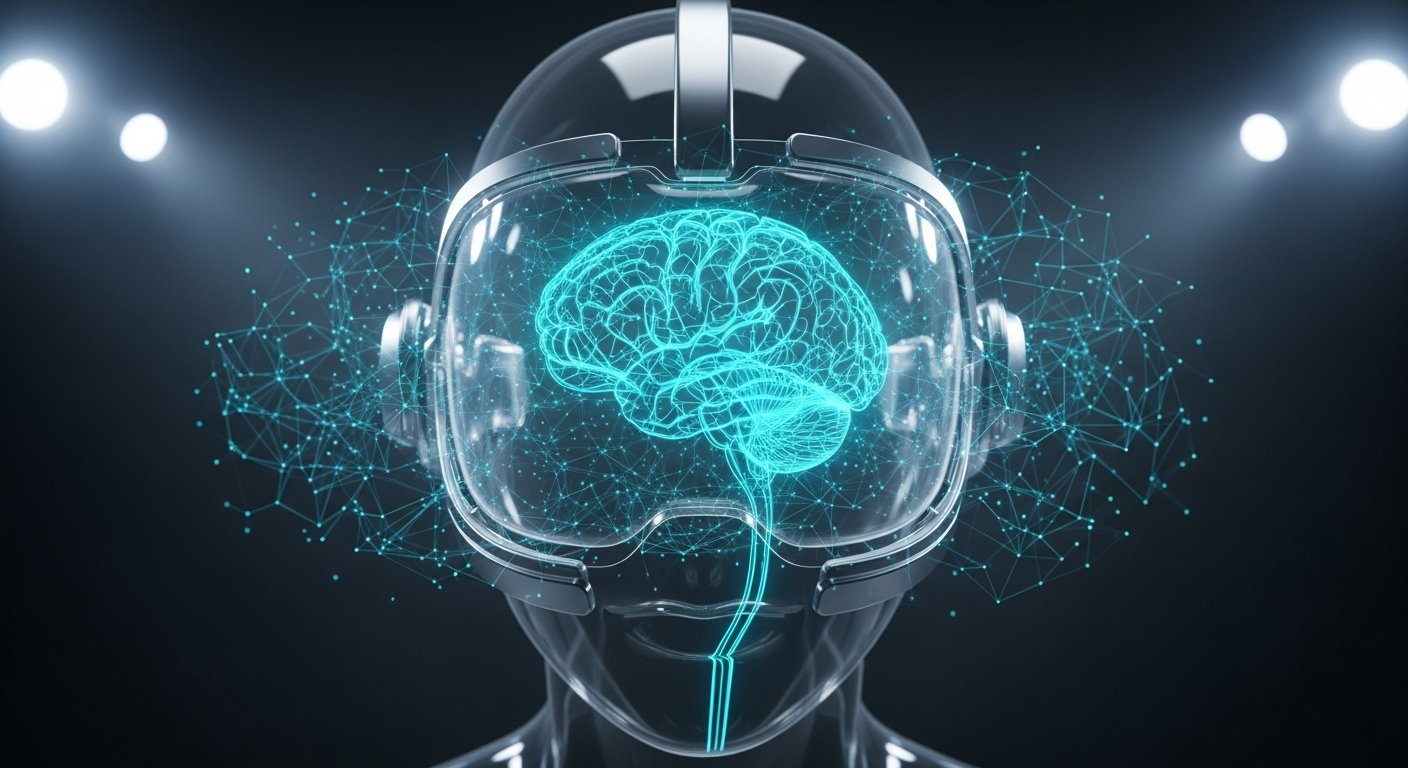
THE LAB THAT MEASURES WHAT OTHER LABS WON'T
Prologue
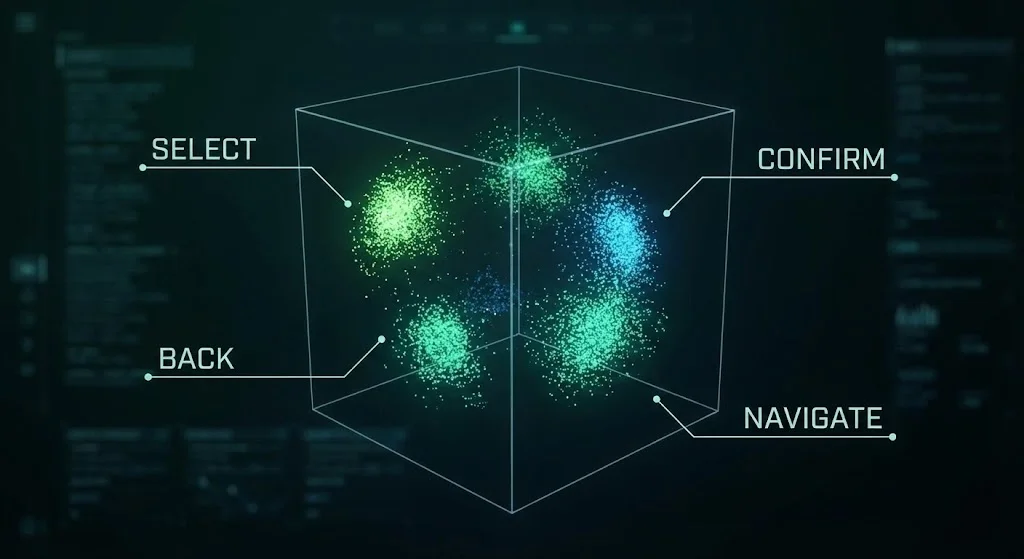
COGNITIVE VECTORS
The human brain is an electromagnetic organ. One hundred billion neurons fire in coordinated patterns, producing electric fields at the scalp and magnetic fields beyond the skull. Every human being is broadcasting continuously. The signals are weak. They are not zero.
Brainwave Systems exists at the intersection of three questions. The first is engineering: can we build non-invasive instruments sensitive enough to read cognitive intent in real time? Yes. The second is neuroscience: does consciousness involve quantum coherent processes? The evidence is emerging. The third: can consciousness interact with physical systems at a distance?
We build the instruments. We run the experiments. We publish the results.
Technical Architecture
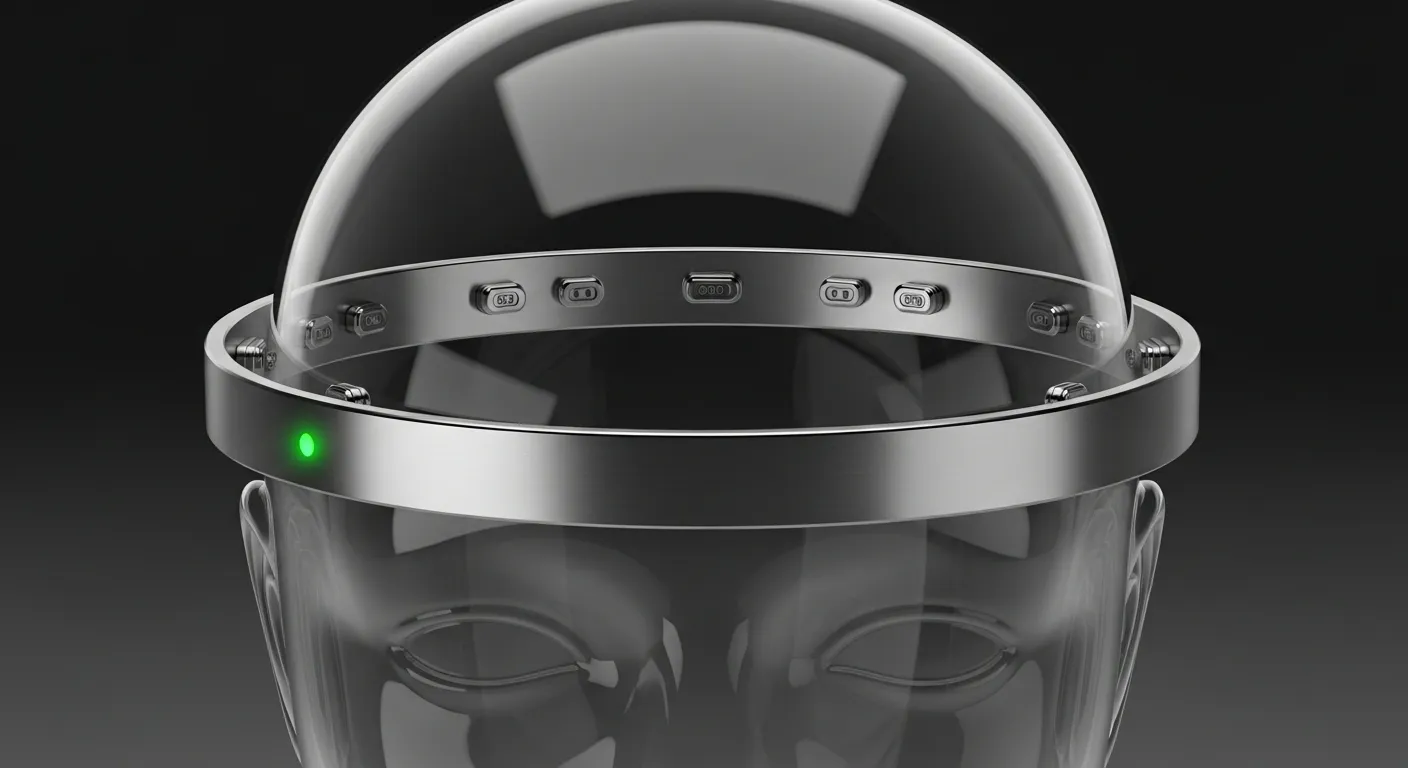
HALO CLOSEUP
SECTION INDEX
CONCEPTS
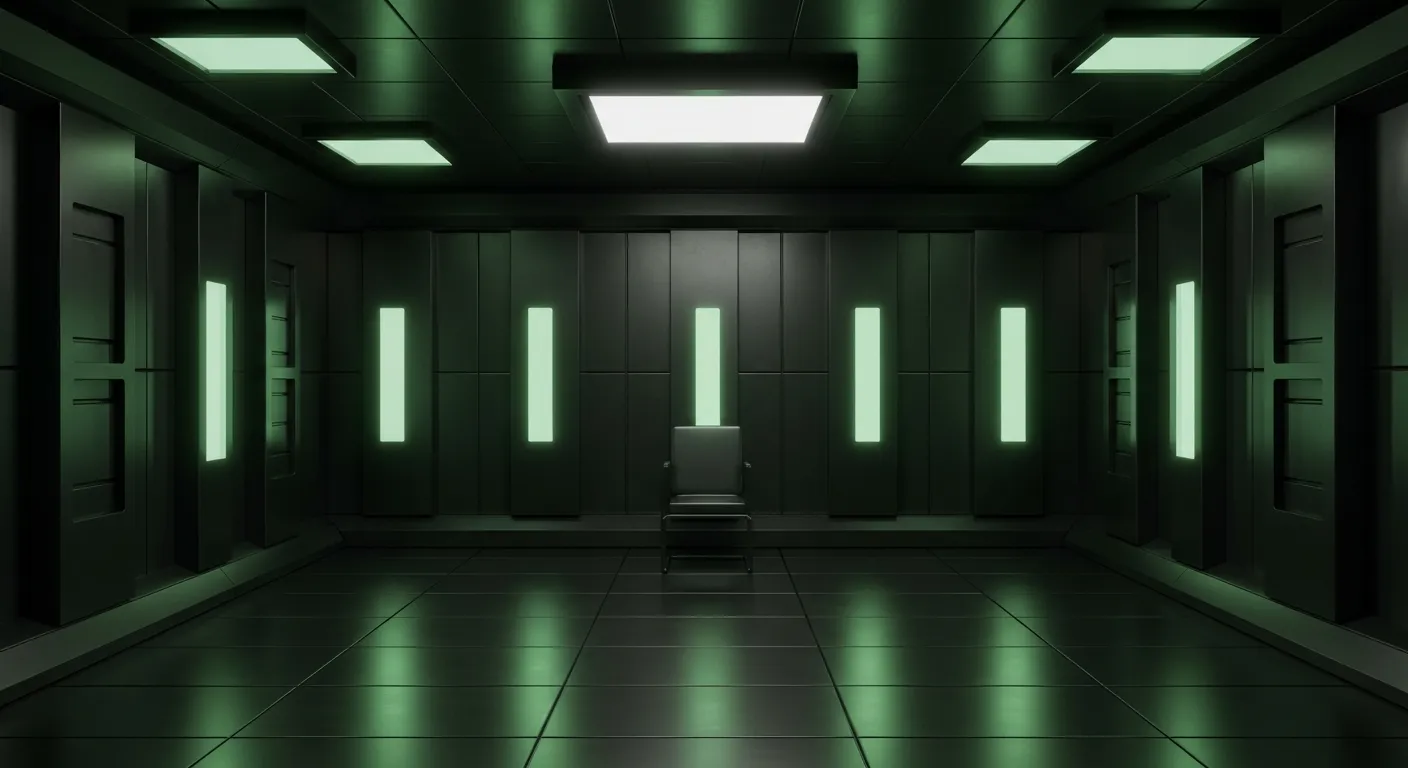
QUIET ROOM
01 // The Electromagnetic Brain
What we measure — EEG, OPM magnetometers, and the human biofield
02 // The Quantum Hypothesis
Microtubules, structured water, and the Penrose-Hameroff conjecture
SYSTEMS
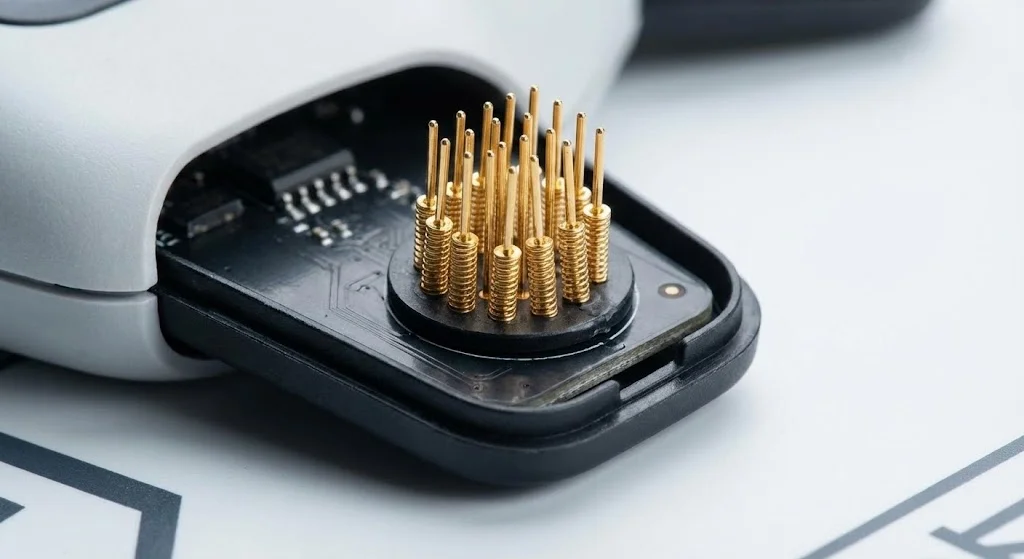
SENSOR DETAIL
03 // The Product Line
BS-1 research cap, Halo consumer interface, Nexus silent communication
04 // Standoff Inference — NEXUS-1 and The Oracle
Reading cognitive state without contact — six sensor modalities
05 // The Halo Flight Interface
Neural piloting for the XR-1 plasma bubble craft
RESEARCH
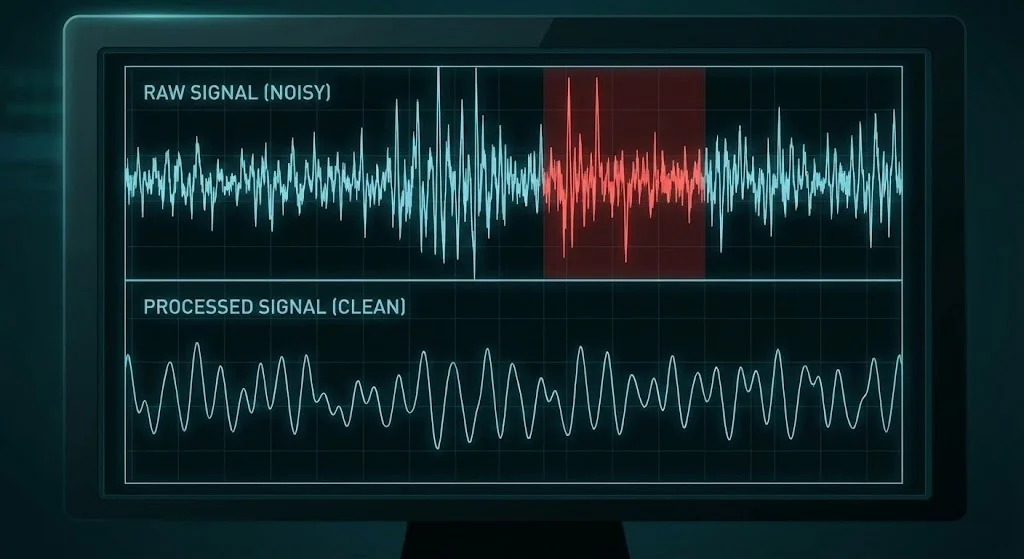
SIGNAL PROCESSING
06 // The Sanctuary & The Field Program
The most electromagnetically quiet room in the partner network
07 // Anomalous Cognition Experimental Programme
IRB-approved replication studies with modern instrumentation
08 // Global Field Coherence Monitoring
Three GCP nodes with high-bandwidth spectral analysis
09 // Neural State Inference for Silent Communication
Subvocalisation detection, neural speech decoding, direct neural-to-text
10 // Cross-Division Integration
The instruments come from across the conglomerate
REFERENCES
Endnotes & Bibliography
Full citation index and source material